Litter Kills Wildlife

The UK is one of the most nature depleted countries in the world, with biodiversity (variety of all living things) declining faster today than at any time in human history.

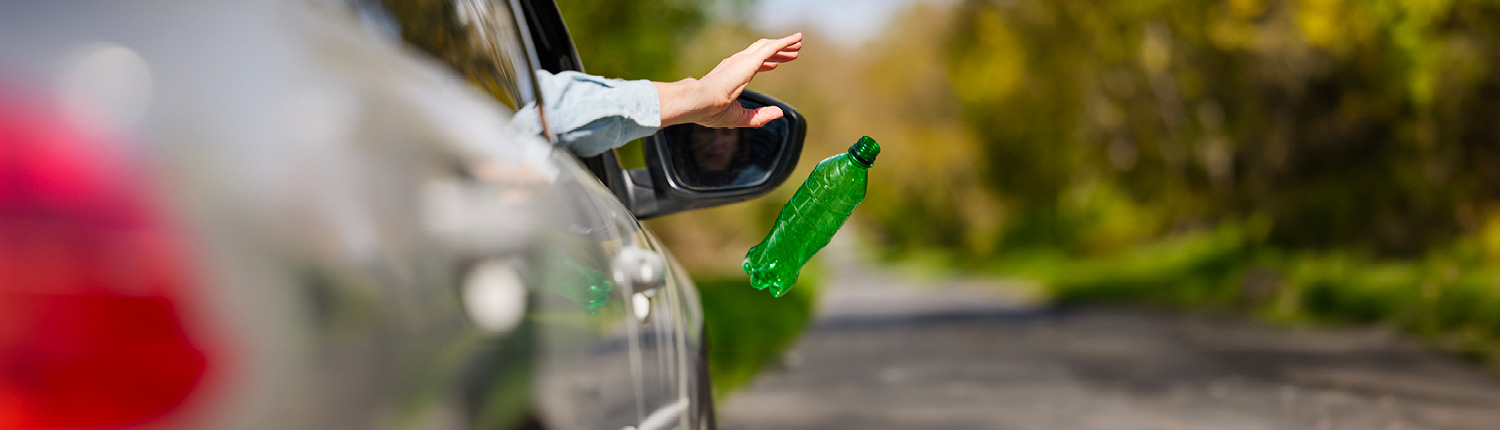
This startling and bleak outlook is not helped by an unrelenting stream of litter, including rubbish tossed thoughtlessly from vehicles.

But ‘litter’ is not an inevitable part of human life, with many countries around the world being predominantly litter-free.

A litter-free future therefore is achievable and literally ‘in our hands’, providing individuals, organisations, and business, all play their part to manage their ‘rubbish’ to avoid it becoming litter.

Inspired to act? Get Involved.

How does litter kill wildlife?

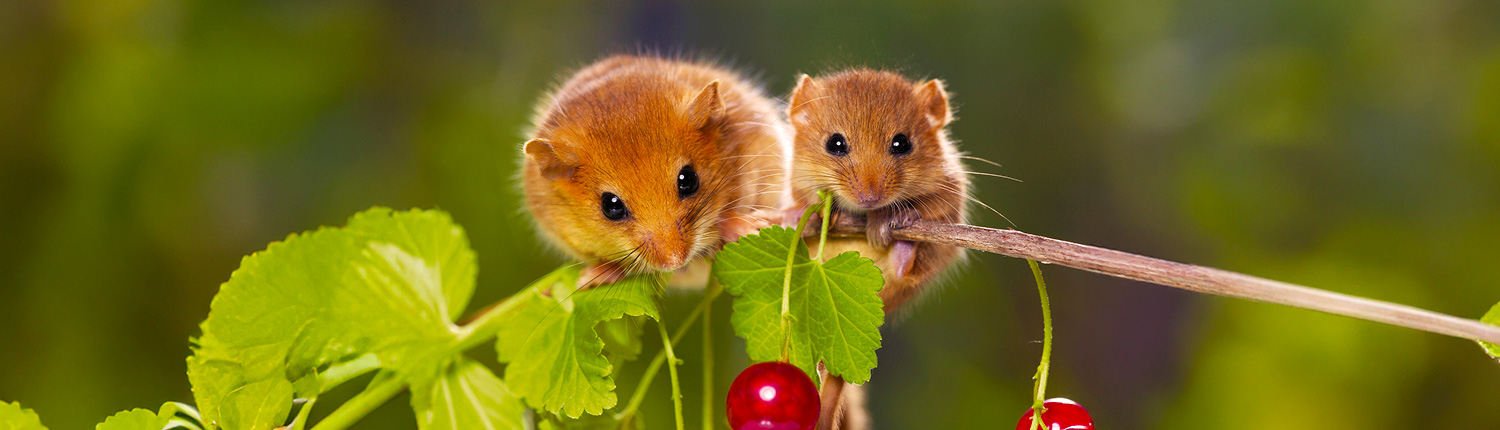
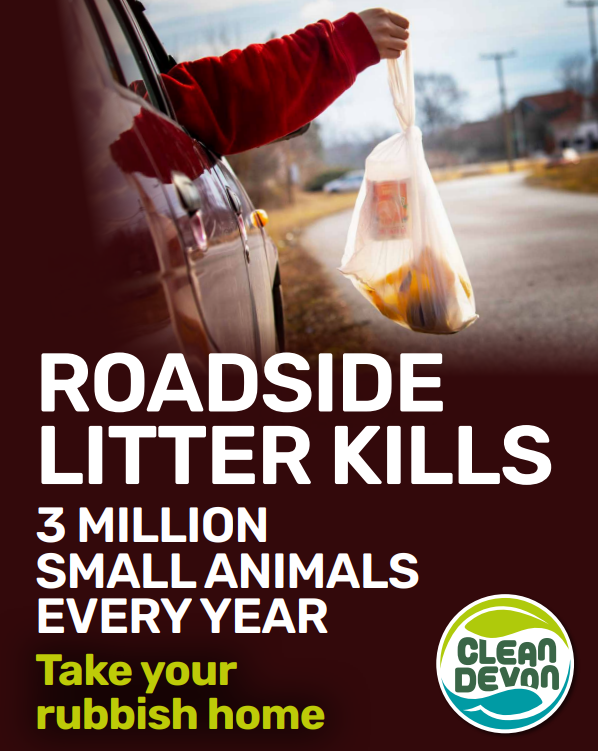
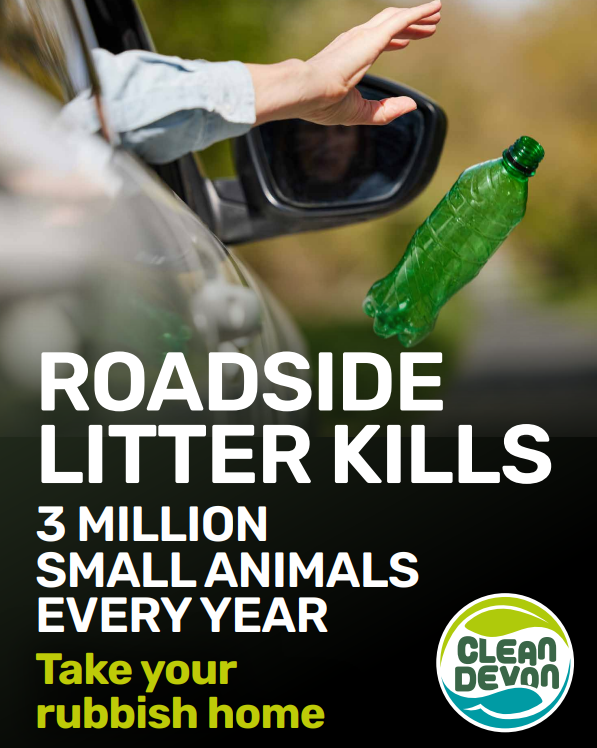
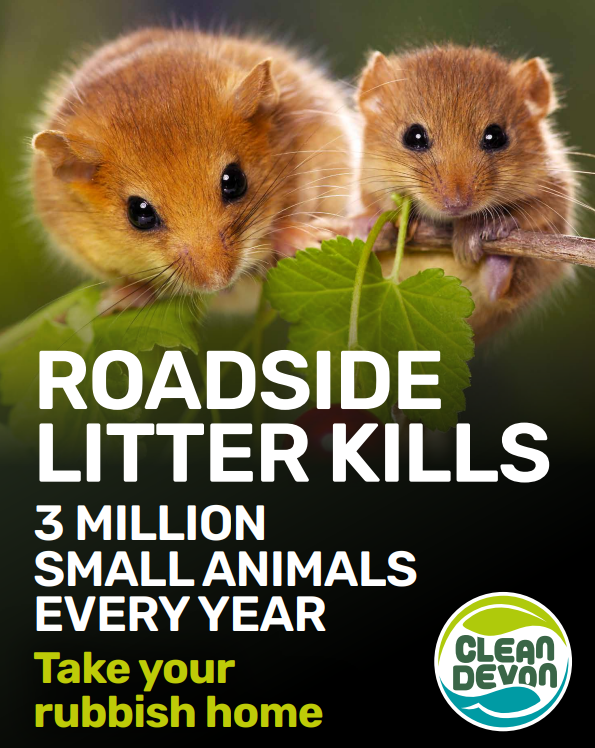
Estimates suggest that vehicle litter alone, such as bottles and cans, kills 3 million small animals every year. One of the main reasons for this is that bottles and cans thrown from vehicles typically land ‘heavy end down / open end up’ on verges and in our hedges. Inquisitive small animals looking for food or a home, such as the endangered hazel dormouse, can easily climb into these bottles and cans, but can’t get out again and die. As any litter picker knows, most roadside litter contains the remains of many different small animals and invertebrates, and where uncollected, this litter has the potential to keep trapping more and more helpless creatures.

Bags of rubbish or fast-food packaging can also attract larger scavenging animals and birds, including foxes and hedgehogs, to the roadside where the risks of choking, injury, poisoning, or being hit by traffic increase significantly.

Plastic packaging, including bags of discarded dog poo in the countryside, can also be responsible for significant harms to wildlife and livestock.

The RSPCA received 10,000 reports of animals found injured, trapped, or dead from discarded litter.

Litter can also block drains leading to flooding, and where it does eventually enter a watercourse such as stream or river, it will eventually end up in our oceans contributing to significant harms to sea life.

Put simply, litter is bad for our environment, wildlife, livestock, and people.
How big is the problem?

It is estimated that 2 million pieces of rubbish are dropped every day in the UK because of a ‘cultural indifference’ linked to lack of personal responsibility, respect for place, people, or the environment. With over 8,000 miles of roads in Devon alone, it is also very difficult to enforce littering or to deal with the litter dropped. The Clean Devon ‘Litter kills wildlife’ campaign aims to highlight the harms caused by roadside litter to encourage people to change their behaviours.

Litter is not only bad news for wildlife, but it also impacts on people’s wellbeing and enjoyment of the outdoors, attracts pests and disease, can create a fire hazard (think glass or disposable BBQs), and can impact negatively on the local economy including tourism. Worst of all ‘litter attracts more litter’!